Winterizing garden beds is one of the most overlooked parts of fall cleanup, but it makes a real difference in how your plants come through a Quad Cities winter. A little work now, cutting back, cleaning up, mulching, and protecting, means healthier perennials, fewer weeds, and a far easier spring. Our freeze-and-thaw winters are hard on beds left unprepared. Here is a complete guide to preparing garden beds for winter so your plants survive and thrive.
I am Wade Conner, owner of Wade’s Property Services. My crew winterizes beds across Davenport, Bettendorf, Moline, and Rock Island every fall, so I know what our plants need before the cold sets in. Let me walk you through it.
Why winterizing garden beds matters
Our Quad Cities winters are not gentle on garden beds. Repeated freezing and thawing heaves soil, which can push shallow-rooted plants right out of the ground. Exposed soil erodes and loses nutrients, weeds sneak in, and unprotected perennial crowns can be damaged by the cold. Winterizing garden beds addresses all of that. Cutting back, cleaning up, and mulching protects the roots, holds the soil in place, suppresses weeds, and gives your plants insulation against the worst of the cold. The result is healthier plants in spring and a bed that needs far less rescue work when the growing season returns.
Clean up the beds first
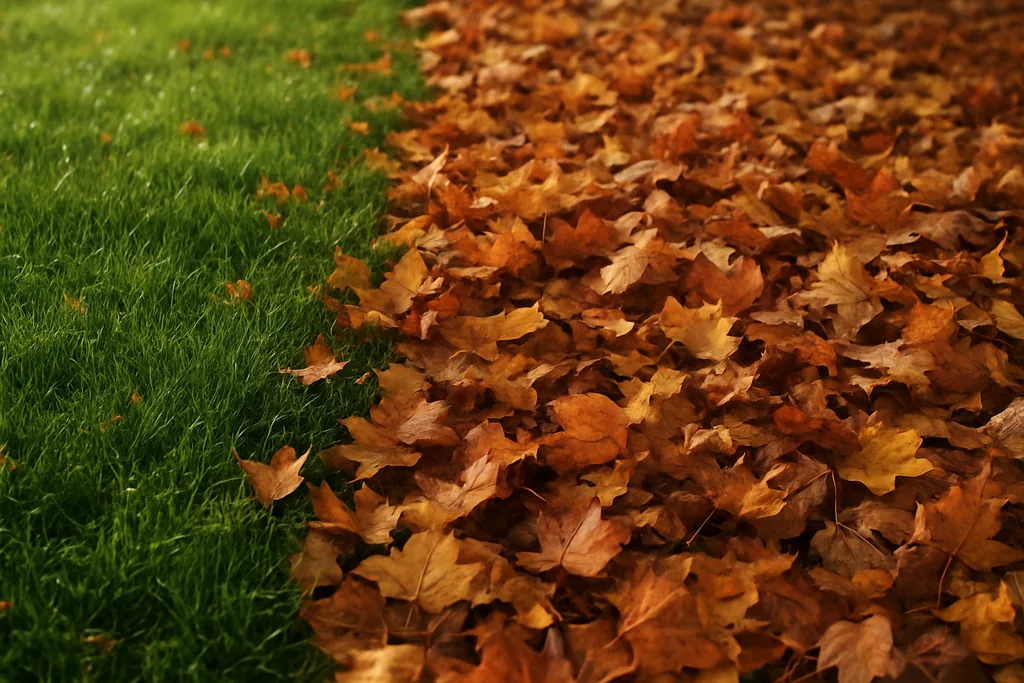
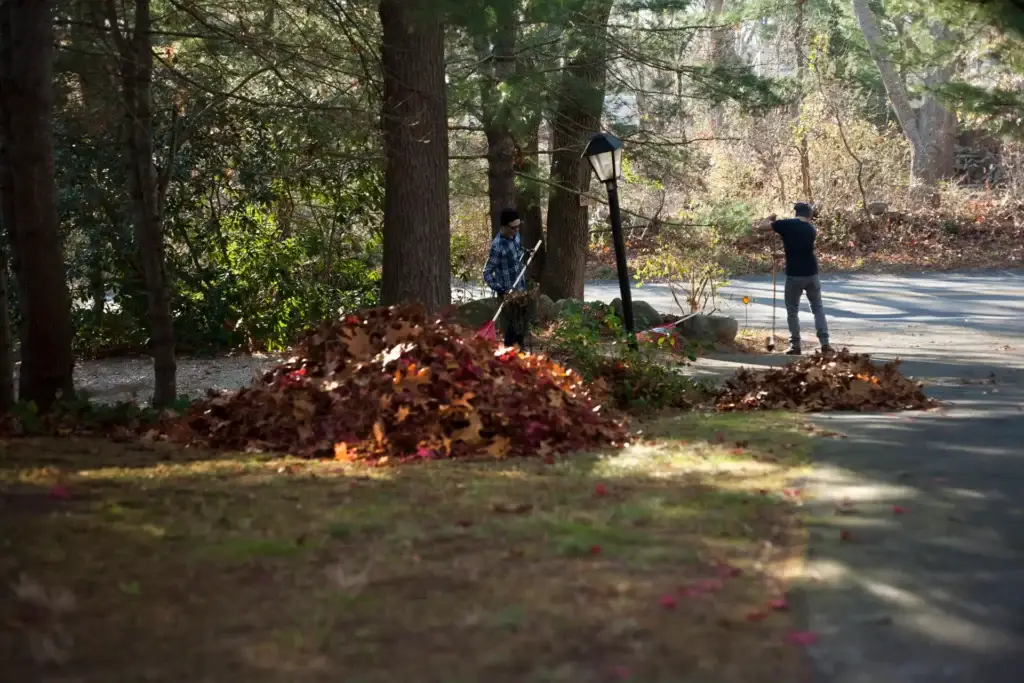
Preparing garden beds for winter starts with a good cleanup. Pull spent annuals, remove fallen leaves and debris that could smother plants or harbor pests, and clear out any diseased plant material so problems do not overwinter in the bed. Pull the weeds that are still hanging on, since removing them now means fewer to fight in spring. Do not compost diseased plants, and dispose of them separately. A clean bed heading into winter is less likely to harbor the pests and diseases that cause trouble the following year. This first step sets up everything else.
Cut back perennials, or leave some standing
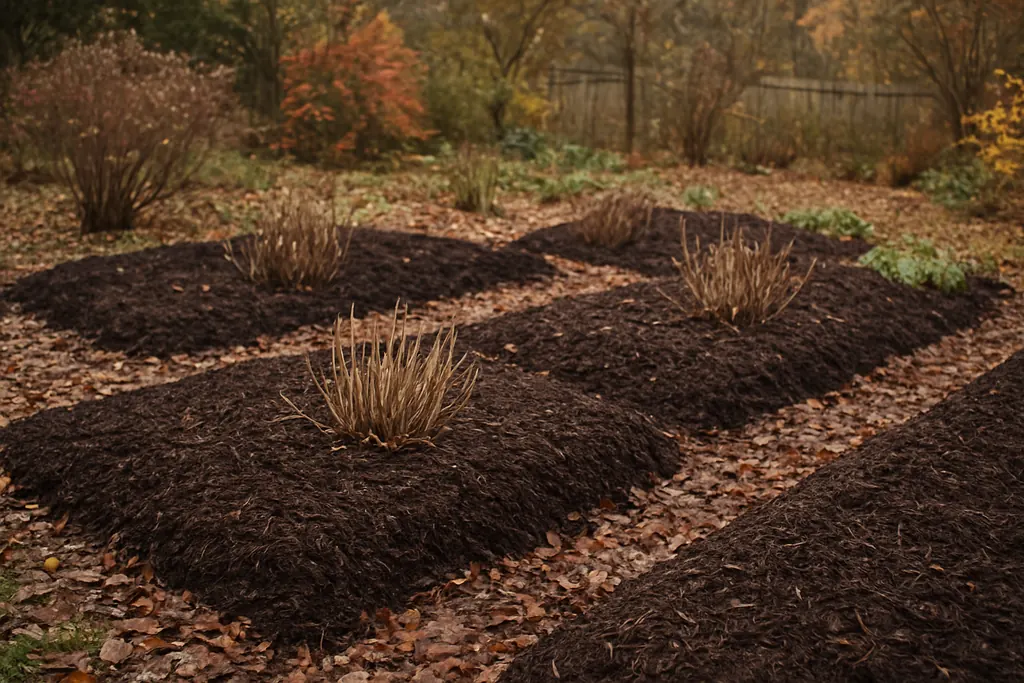
Most perennials benefit from being cut back in fall, but not all. Cut back perennials that tend to get diseased or flop, and trim ornamental grasses if you prefer a tidy look, though many gardeners leave grasses standing for winter interest. Some perennials, like coneflowers and black-eyed Susans, are worth leaving up because their seed heads feed birds through winter. Others should be trimmed to a few inches. As a general rule, remove anything diseased or mushy, and use your judgment on the rest based on the look you want and the wildlife value. There is no single right answer for every plant.
Mulch to protect roots
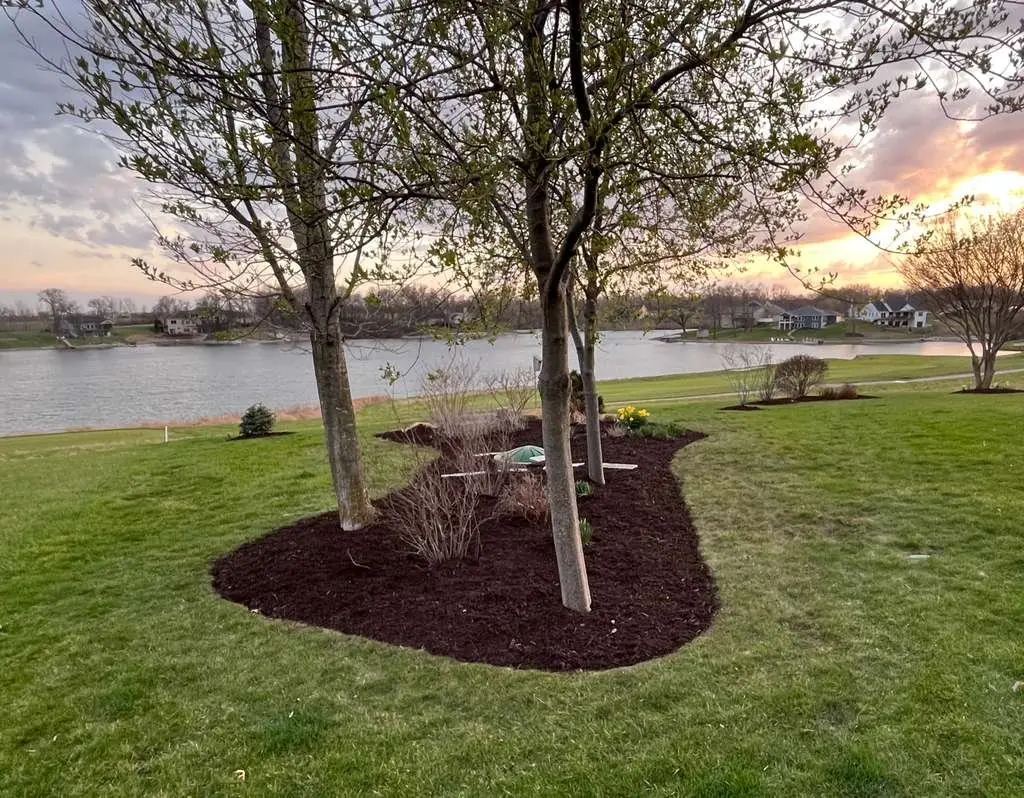
Mulch is the heart of winterizing garden beds. A fresh two to three inch layer of mulch insulates roots against the cold and, just as importantly, moderates the freeze-and-thaw cycles that heave plants out of the soil. Apply mulch after the ground has started to cool but before it freezes hard, and keep it pulled back a little from plant stems and crowns to prevent rot. Shredded leaves make excellent free mulch for beds, so this is a great way to put your fall leaves to work. A good mulch layer is the single best thing you can do to help perennials survive our winters.
Protecting tender and new plants
Some plants need extra help. Newly planted perennials, shrubs, and anything marginally hardy for our zone benefit from added protection. A thicker layer of mulch, a covering of evergreen boughs, or a burlap wrap for tender shrubs can make the difference between survival and loss. Roses, young trees, and recent transplants are common candidates for extra care. Water these plants well before the ground freezes, since a plant that goes into winter hydrated handles the cold far better than a dry one. A little targeted protection for your most vulnerable plants pays off in spring.
Prepare the soil
Winterizing garden beds is also a good time to improve your soil for next year. After cleaning up, you can work a layer of compost into the bed or simply spread it on top to break down over winter. This feeds the soil and improves its structure by spring. Testing your soil in fall also gives you time to plan any amendments. For vegetable beds, some gardeners plant a cover crop to protect and enrich the soil over winter. Even just topping the bed with compost and mulch leaves the soil in far better shape than bare ground exposed to the elements all winter.
Do not forget the watering
Watering is easy to overlook in fall, but it matters. Keep watering your beds until the ground freezes, especially any new plantings, evergreens, and shrubs. Plants continue to lose moisture through winter, and going into the cold dry is a common cause of winter damage. A deep watering before the freeze helps roots store the moisture they need. Once the ground is frozen, watering is done for the season. This simple step, giving beds a good drink before winter locks them up, prevents a lot of the dieback that shows up in spring.
Bulbs and spring planning
Winterizing garden beds is also planting time for spring color. If you want tulips, daffodils, or other spring bulbs, fall is when they go in, before the ground freezes. Winterizing your beds is the perfect opportunity to plant bulbs while you are already working the soil. It is also a good moment to note what worked and what did not this year, so you can plan changes for spring. A little planning now, while the beds are fresh in your mind, makes next year’s garden easier and better.
Winterizing beds vs the rest of your cleanup
Bed work fits into the larger fall cleanup, but it has its own timing. You can clear leaves from the lawn early and often, but the main bed winterizing, cutting back, mulching, and protecting, is best done later, after a killing frost has sent plants into dormancy. Doing it too early, while plants are still active, can stress them. So the usual sequence is to handle leaf removal through the fall, then finish with bed winterizing and the final mulch once the plants have gone dormant but before the ground freezes hard. Coordinating the two means each job is done at the right time for the best result.
Common bed winterizing mistakes
A few missteps can undo your effort. Piling mulch right against plant stems and crowns traps moisture and causes rot, so keep it pulled back. Cutting back plants that should be left standing removes winter food for birds and winter interest. Skipping the fall watering leaves plants dry going into the cold. And winterizing too early, before dormancy, stresses active plants. Avoid these, and your beds come through winter in far better shape.
Frequently Asked Questions
Should I remove mulch in spring?
Do not remove it entirely. In spring, pull winter mulch back from emerging plants and refresh the layer. The mulch that broke down over winter has already improved your soil.
Can I use fall leaves as bed mulch?
Yes, shredded leaves make excellent free winter mulch for beds. They insulate roots and break down into rich soil. Just avoid piling wet whole leaves against plant stems.
When should I winterize my garden beds?
In the fall, after a killing frost has sent plants into dormancy but before the ground freezes hard. In the Quad Cities that usually means October into November, timed with the rest of your fall cleanup.
Should I cut back all my perennials in fall?
Cut back diseased, mushy, or floppy perennials, but you can leave some standing for winter interest and to feed birds. Coneflowers and grasses are often left up, while most others are trimmed to a few inches.
How much mulch should I put on beds for winter?
A two to three inch layer works well, kept pulled back slightly from plant stems and crowns to prevent rot. Shredded fall leaves make excellent free winter mulch for beds.
Do I need to water my garden beds in fall?
Yes, keep watering until the ground freezes, especially new plantings, evergreens, and shrubs. A plant that goes into winter well-hydrated handles the cold much better than a dry one.
Want your beds winterized the right way?
If you would rather have your beds cut back, cleaned, and mulched by a pro, we can handle it. Wade’s Property Services is locally owned, fully insured, and rated 5.0 stars across 118 Google reviews. See our seasonal cleanup service, our mulch installation service, check coverage on our Moline service area page, or request a free quote below. For overwintering research, the Iowa State University Extension is a helpful outside resource.