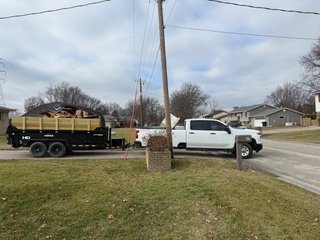
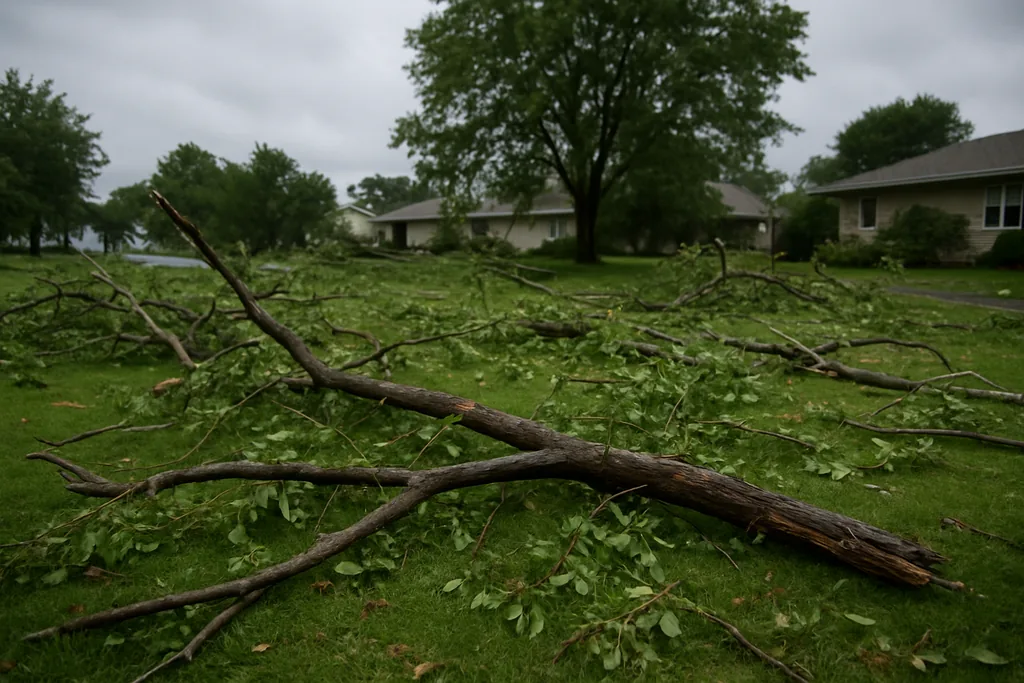
After a bad storm rolls through the Quad Cities, storm debris cleanup is often the first thing on your mind, and safety has to come first. Downed limbs, scattered branches, and damaged trees are not just messy, they can be dangerous, especially near power lines. This guide walks you through how to safely handle storm cleanup, what to tackle yourself, when to call a professional, and how to dispose of all the debris a storm leaves behind.
I am Wade Conner, owner of Wade’s Property Services. My crew handles storm debris cleanup across Davenport, Bettendorf, Moline, and Rock Island after our regular Midwest storms, so I know how to clear it safely and fast. Let me walk you through it.
Safety first after a storm
Before any storm debris cleanup begins, take a careful look around. Stay well away from any downed power lines and assume every line is live, reporting them to your utility immediately. Watch for hanging or broken limbs still caught in trees, which can fall without warning. Check for damaged structures, unstable trees, and hidden hazards under the debris. Wear sturdy boots, gloves, and eye protection, and never use a chainsaw on anything overhead or under tension unless you are trained. If a tree or limb is large, tangled in wires, or leaning on a structure, that is a job for professionals, not a weekend project.
What you can safely clean up yourself
Plenty of storm cleanup is safe to handle on your own. Picking up scattered small branches, twigs, and leaves is straightforward. Raking and gathering debris from the lawn and beds, clearing walkways, and hauling light brush to the curb or a drop-off site are all reasonable DIY tasks. Small limbs on the ground that are not under tension can usually be cut and moved safely. The rule of thumb is that if it is on the ground, light enough to lift, and not tangled in anything, you can probably handle it. Anything larger, overhead, or near wires should wait for a pro.
When to call a professional
Some storm damage calls for professional storm damage cleanup, both for safety and for the right equipment. Call a pro for large fallen trees or heavy limbs, anything tangled in power lines, trees leaning on your house or other structures, and hanging limbs still caught up in the canopy. These situations involve serious weight, tension, and hazards that require training and proper gear to handle safely. A professional crew has the chainsaws, rigging, and experience to remove large debris without further damage or injury, plus the equipment to haul it all away. When in doubt, it is far cheaper to call a pro than to risk an injury or more property damage.
Assessing tree damage
After the immediate mess is cleared, look at your trees. Some storm-damaged trees can be saved with proper pruning, while others are too damaged or unstable to keep. Warning signs that a tree may need to come down include large cracks in the trunk, a significant lean that appeared after the storm, major limbs torn off, or roots lifted out of the ground. A damaged tree can be a hazard in the next storm, so it is worth having a professional assess anything that looks compromised. Catching a dangerous tree early prevents it from causing worse damage down the road.
Clearing debris from the lawn and beds
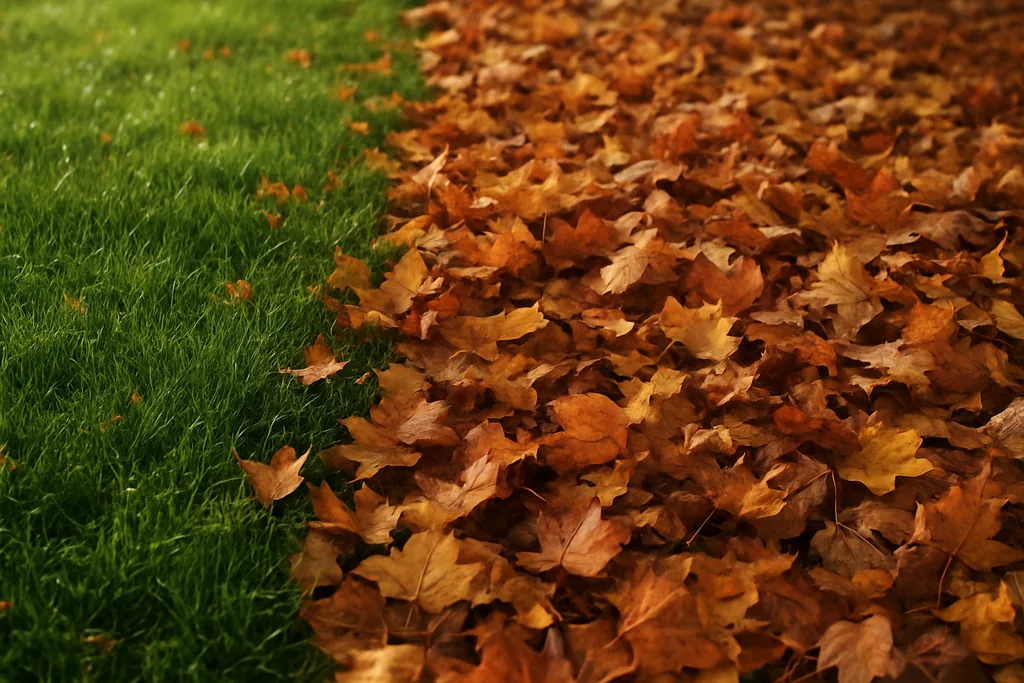
Once the hazards are handled, the ground cleanup is a lot like a regular yard cleanup, just heavier. Gather branches and brush into piles, rake up scattered leaves and small debris, and clear the lawn so the grass is not smothered. Storm debris left sitting will kill the grass underneath just like a heavy leaf layer, so do not let it linger. Check beds and around structures for debris too. Working in sections, from the biggest pieces down to the small stuff, keeps a chaotic mess manageable and gets your yard back to normal faster.
Disposing of storm debris
Storms generate a lot of debris, and disposal is its own challenge. Small branches may be bundled for curbside pickup within local size limits, but large limbs and trunk sections usually need a drop-off site or professional hauling. Many communities offer special storm debris collection after major events, so check whether your city has a program running. A chipper can turn brush into mulch for big jobs. For most homeowners facing a real storm mess, though, having a service haul the debris away is the simplest solution, since the volume is often far beyond what curbside can handle.
Storm cleanup and your gutters
Do not forget the parts of storm cleanup that are easy to overlook. High winds pack gutters full of leaves, twigs, and debris, which can cause overflow and water damage in the next rain. After a storm, check and clear your gutters and downspouts. Look over your roof from the ground for damage, and clear any debris that blew against the foundation or into window wells. These quick checks catch problems that a storm often causes but that are easy to miss when you are focused on the obvious fallen limbs.
Preventing storm damage next time
Some storm damage is unavoidable, but good tree care reduces it. Regular pruning removes weak, dead, and overextended limbs that are most likely to fail in high wind. Keeping trees healthy and well-structured helps them stand up to storms. Removing already-compromised or dead trees before a storm hits prevents them from coming down at the worst possible time. A little proactive tree work each year is far cheaper and safer than dealing with a major failure during the next big storm. Think of it as insurance for your property and everyone on it.
Storm debris cleanup: a simple step-by-step plan
When you are staring at a yard full of storm mess, a plan helps. First, walk the property and identify hazards, downed lines, hanging limbs, and unstable trees, and stay away from them. Second, call professionals for anything large, overhead, or near wires. Third, once the hazards are handled, gather the safe, ground-level debris into piles by size, branches in one, leaves and small stuff in another. Fourth, clear the lawn and walkways so nothing smothers the grass or blocks access. Fifth, arrange disposal, whether that is curbside bundling, a drop-off run, or a hauling service. Working through storm debris cleanup in that order turns an overwhelming mess into a series of manageable steps and keeps safety first the whole way.
Frequently Asked Questions
How soon should I clean up after a storm?
Handle safety hazards immediately, but wait for utilities to clear any downed lines. Clear ground debris within a few days so it does not smother the lawn, and call a pro promptly for large or dangerous damage.
Who is responsible for a fallen tree between neighbors?
It depends on where the tree fell and local rules, but generally each owner handles debris on their own property. Check with your insurer and, for disputes, your local ordinances.
What should I do first after a storm?
Check for safety hazards before touching anything. Stay away from downed power lines and report them, watch for hanging limbs and unstable trees, and only handle debris that is on the ground and safe to lift. Call a pro for large or tangled damage.
Can I remove a fallen tree myself?
Small limbs on the ground and not under tension can be handled with care. Large fallen trees, anything near power lines, or trees leaning on structures require professional equipment and training and should not be a DIY job.
How do I dispose of storm debris?
Small branches may qualify for curbside bundling, but large limbs usually need a drop-off site or hauling service. Many communities run special storm debris collection after major events, so check your city.
Does insurance cover storm debris cleanup?
It depends on your policy and the damage. Many homeowner policies cover tree removal when a tree damages a structure. Document everything with photos and check with your insurer before major cleanup.