Learning how to overseed a lawn is one of the easiest ways to turn a thin, tired yard into a thick, healthy one. Overseeding just means spreading new grass seed over an existing lawn to fill in bare spots and boost density. Done right, in early fall, it can transform a Quad Cities lawn by the following spring. Here is the complete step-by-step process, including the details most people miss.
I am Wade Conner, owner of Wade’s Property Services. I overseed lawns across Davenport, Bettendorf, Moline, and Rock Island every fall, and the process is simple once you know the steps and the timing.
What overseeding does for your lawn
Over time, even a well-kept lawn thins out. Grass plants age, traffic wears bare spots, and heat and drought take a toll. Overseeding a lawn reverses that by introducing fresh, young grass plants that fill in gaps and crowd out weeds. A denser lawn is not just better looking, it is healthier, since thick turf shades the soil, holds moisture, and leaves no room for weeds to sprout. That is why overseeding is a core part of any real lawn improvement plan.
When to overseed in the Quad Cities
Timing makes or breaks the result. The best time to overseed here is early fall, roughly late August through late September. The soil is still warm enough for fast germination, the air is cooling, and weed pressure is low, which gives new grass a strong head start before winter. Spring is a distant second choice, since new seedlings then have to compete with crabgrass and summer heat. If you want to know how to overseed a lawn successfully, start by getting the timing right.
How to overseed a lawn, step by step
Here is the process I follow on every job:
- Mow low. Cut the existing grass shorter than usual and bag the clippings so seed can reach the soil.
- Rake or dethatch. Remove debris and loosen the surface so seed makes contact with soil, not thatch.
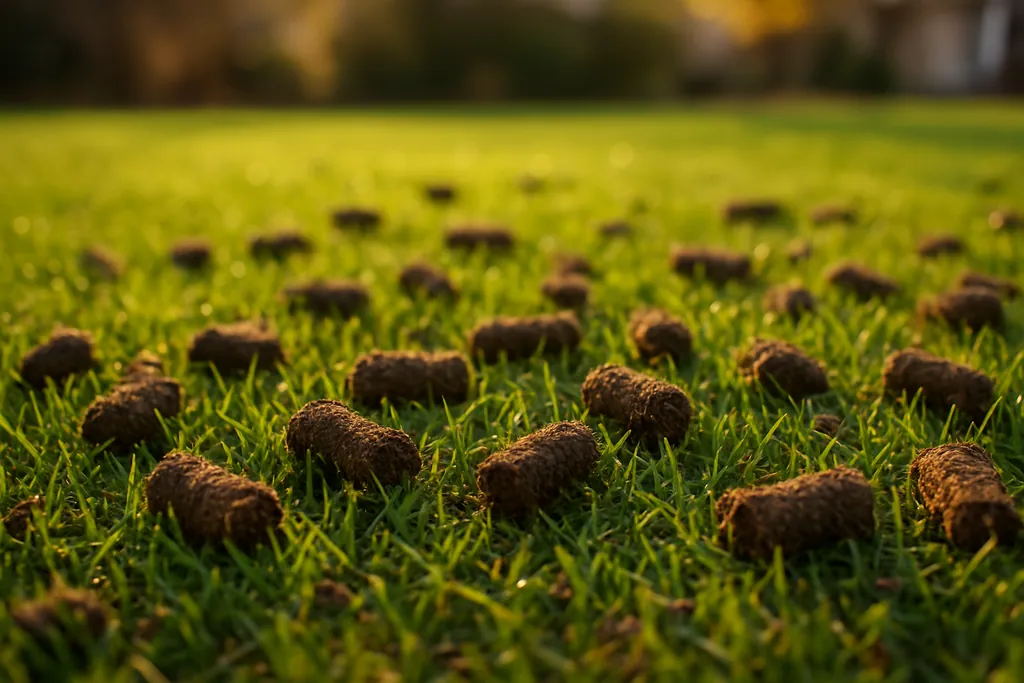
- Aerate first. Core aeration before seeding gives the best results, since seed drops into the open holes.
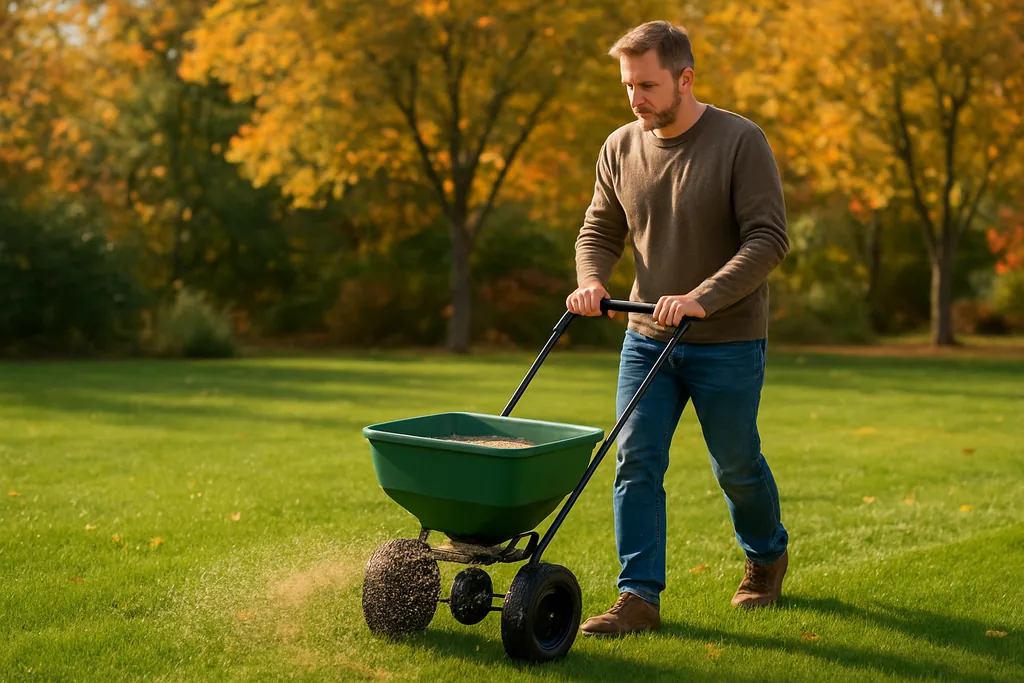
- Spread the seed. Use a broadcast or drop spreader at the recommended rate for even coverage.
- Feed with starter fertilizer. This gives new seedlings the nutrients they need to establish.
- Water lightly and often. Keep the top inch of soil moist until the new grass is established.
Follow those steps in order and your seed germinates evenly across the lawn.
Why aeration makes overseeding work
The single biggest factor in how well overseeding works is soil contact. Seed that lands on hard, compacted ground rarely germinates. That is why aerating before you seed is such a game changer, especially on our clay. The aeration holes act as protected seed pockets with direct soil contact. Pairing the two is so effective that we almost always do them together, which is why our aeration and overseeding service handles both in one visit. If you only remember one tip on how to overseed your lawn, make it this one.
Choosing the right grass seed
Use a quality cool-season blend suited to the Quad Cities, usually a mix of Kentucky bluegrass, perennial ryegrass, and turf-type tall fescue. Bluegrass spreads and fills in, ryegrass germinates fast, and fescue adds drought toughness. For shady yards, lean toward a shade-tolerant fescue blend. Avoid cheap single-species bags, which give patchy, weak results. Matching the seed to your lawn and light conditions is a small choice that makes a big difference.
How much seed do you need?
For overseeding an existing lawn, plan on about three to four pounds of seed per thousand square feet. Starting a lawn from bare soil takes closer to double that. Going heavier than recommended does not help, since crowded seedlings compete with each other and thin themselves out. Measuring your lawn first saves money and gives more even coverage.
Caring for new grass after overseeding
The two weeks after seeding matter most. Keep the top inch of soil consistently moist with light watering once or twice a day, rather than one heavy soak. Stay off the new grass, and hold off on mowing until the seedlings reach about three inches. Skip weed control until you have mowed the new grass a few times, since most weed products also stop grass seed from germinating. A little patience now pays off with a thick, even lawn next spring.
Common overseeding mistakes to avoid
Even simple jobs go wrong when a few basics get missed. The most common overseeding mistakes are seeding on hard, unaerated soil so the seed never takes hold, letting the seedbed dry out during the first two critical weeks, mowing too soon and pulling up young seedlings, and applying weed control right after seeding, which stops germination cold. Using a cheap single-species seed bag is another common misstep that leads to patchy results. Avoid those five and your new grass fills in evenly across the whole lawn.
Overseeding vs starting a new lawn
Overseeding and starting from scratch are two different jobs. Overseeding adds seed to an existing lawn to thicken it, which is far easier, cheaper, and less disruptive. Starting a new lawn means clearing the area, preparing the soil, and seeding or sodding bare ground, which takes far more seed, water, and time. For most tired but living lawns, overseeding is all you need. Full renovation only makes sense when a lawn is more weeds and bare dirt than grass.
Overseeding thin spots vs the whole lawn
You do not always need to seed the entire yard. For a lawn that is mostly healthy with a few worn areas, spot overseeding those patches is quick and effective. Rough up the bare soil, drop seed, cover lightly, and keep it moist. For a lawn that is thinning all over, though, overseeding the whole thing after aeration gives a far more even, uniform result than patching here and there. As a rule, if more than a third of the lawn looks thin, seed the whole yard. If it is just a few spots from a pet, a kiddie pool, or heavy traffic, target those areas and save the seed. Either way, the same prep and aftercare rules apply, since seed needs soil contact and steady moisture no matter how much you are putting down.
The payoff: what a thicker lawn does for you
It is worth remembering why any of this matters. A thick, healthy lawn is not just about looks, though it certainly helps your curb appeal and home value. Dense turf crowds out weeds so you spend less on weed control, shades and cools the soil so it holds moisture and needs less water, and stands up to foot traffic, pets, and summer heat far better than a thin lawn. Overseeding is how you build and keep that density year after year. A single fall of proper overseeding can be the difference between constantly fighting bare spots and weeds, and simply enjoying a lawn that looks after itself. For the small cost of seed and a little care, the return is a lawn that is easier to maintain in every season that follows.
Frequently Asked Questions
How soon can I mow after overseeding?
Wait until the new grass reaches about three inches, usually two to three weeks. Use a sharp blade and a higher cut for the first few mows so you do not uproot young seedlings.
Do I need to cover grass seed with soil?
A light raking or a thin layer of compost helps, but you do not need to bury the seed. Good soil contact and consistent moisture matter far more than covering it deeply.
Can you overseed without aerating?
You can, but results are much better with aeration first, especially on clay. Aeration gives seed the soil contact it needs to germinate. Without it, a lot of seed lands on hard ground and never takes.
Will grass seed grow if you just throw it down?
Rarely well. Seed needs contact with soil to germinate, so scattering it on top of a lawn without any prep usually gives poor, patchy results. Mowing low, raking, or aerating first makes a big difference.
How long does overseeded grass take to grow?
Most cool-season blends sprout in one to three weeks, depending on temperature and moisture. You will see noticeable fill-in within a month and full results by the next spring.
How often should you overseed a lawn?
Every one to two years for most Quad Cities lawns, and yearly for lawns with thin spots or heavy traffic. Pairing it with fall aeration keeps the lawn consistently thick.
Want your lawn overseeded the right way?
Knowing how to overseed a lawn is half the job, and doing it at the right time with the right prep is the other half. Wade’s Property Services is locally owned, fully insured, and rated 5.0 stars across 118 Google reviews. See our lawn aeration service, learn more about aeration and overseeding, check coverage on our Moline service area page, or request a free quote below. For seeding research, the University of Illinois Extension is a helpful outside resource.