Knowing when to do fall cleanup in the Quad Cities is almost as important as doing it at all. Go too early and you are raking leaves that have not fallen yet. Wait too long and an early snow buries your yard until spring. The sweet spot here is generally mid October through mid November, timed around your local leaf drop and that first hard freeze. Here is how to nail the timing for your specific yard.
I am Wade Conner, owner of Wade’s Property Services. My crew schedules fall cleanups across Davenport, Bettendorf, Moline, and Rock Island every year, so we watch the local timing closely. Let me help you get it right.
When to do fall cleanup in the Quad Cities
For our area, the main fall cleanup belongs in the mid October through mid November window. That is late enough that most leaves have dropped, but early enough that the ground has not frozen hard and no lasting snow has arrived. Many homeowners split it into a lighter pass in late October and a thorough final cleanup in early to mid November. The exact dates shift a little each year with the weather, so watch the trees and the forecast rather than locking to a single date. The goal is to finish before that first snow that sticks around.
Why timing matters so much
Fall cleanup is one of those jobs where timing changes the outcome. Clear too early and you will be back out in two weeks doing it again as the rest of the leaves fall. Clear too late and the leaves get wet, mat down, and start smothering the grass and breeding snow mold, and a surprise early snow can trap the whole mess under the snow for months. Hitting the window means one or two efficient passes instead of a constant battle, and a lawn that heads into winter clean and healthy. Getting the timing right is what makes the whole cleanup worthwhile.
Watch the leaf drop, not the calendar
The single best timing cue is your own trees. Different species drop at different times, so a yard with oaks holds leaves longer than one with maples or ash. Rather than picking a fixed date, watch how your trees are dropping. When most of the leaves are down, it is time for the main cleanup. If your trees drop in waves, plan on more than one pass. Paying attention to your specific trees beats any generic calendar, since your yard may run a week or two ahead of or behind your neighbor’s.
The role of the first frost and freeze
Our first frost usually arrives in October, and the first hard freeze follows in late October or November. These matter for timing. After a killing frost, annuals die back and perennials go dormant, which is your signal to cut back beds. You want to finish the bulk of the cleanup before the ground freezes solid, since frozen ground makes bed work and any planting impossible. The first lasting snow is your hard deadline. Anything not cleared by then sits under the snow all winter, so aim to be done a little ahead of it.
One cleanup or several passes?
How many times you clean up depends on your tree cover. A yard with few trees may be fine with a single thorough cleanup once the leaves are down. A heavily wooded lot almost always needs several passes, since clearing everything in one late job means fighting a deep, wet, matted layer. Spreading the work into two or three lighter passes through the season keeps each one manageable and protects the lawn from ever being buried. For most Quad Cities yards with mature trees, a couple of passes is the realistic plan.
Fall cleanup and your final mow
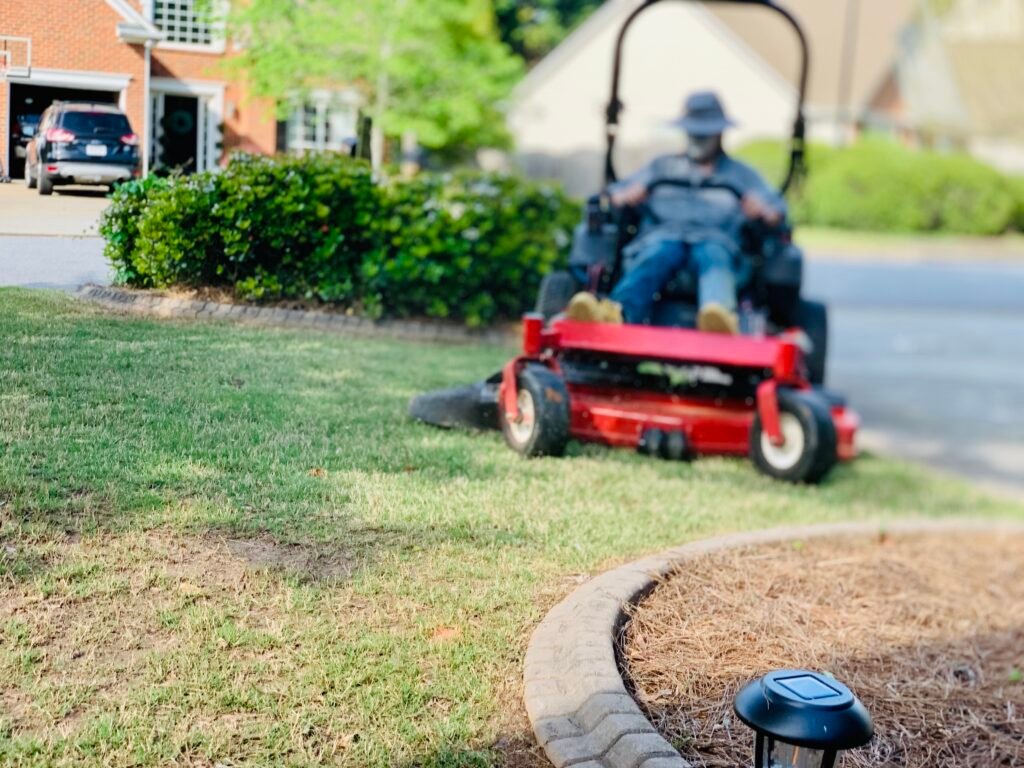
Time your final mow to go with your cleanup. The last cut of the season should come after the grass has stopped actively growing but before it goes fully dormant, usually late October into November. Cutting it slightly shorter than your summer height helps prevent snow mold and matting under the snow. Pairing that final mow with your leaf removal and bed cleanup lets you handle the whole lawn in one efficient visit. Just do not mow so late that you are cutting frozen or snow-covered grass, which does more harm than good.
Coordinating with aeration and overseeding
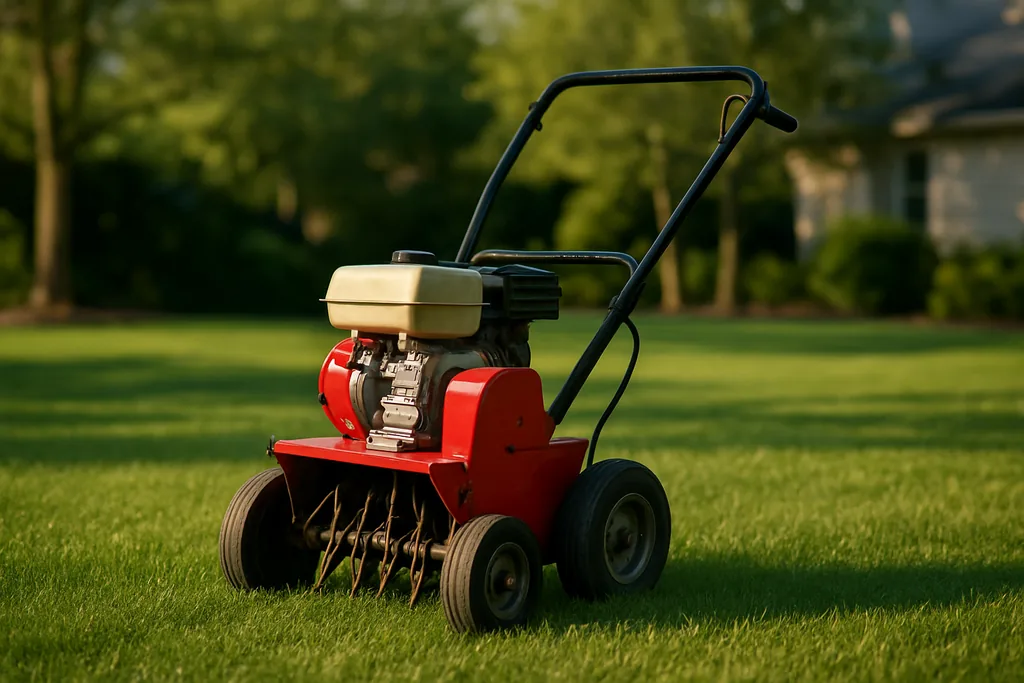
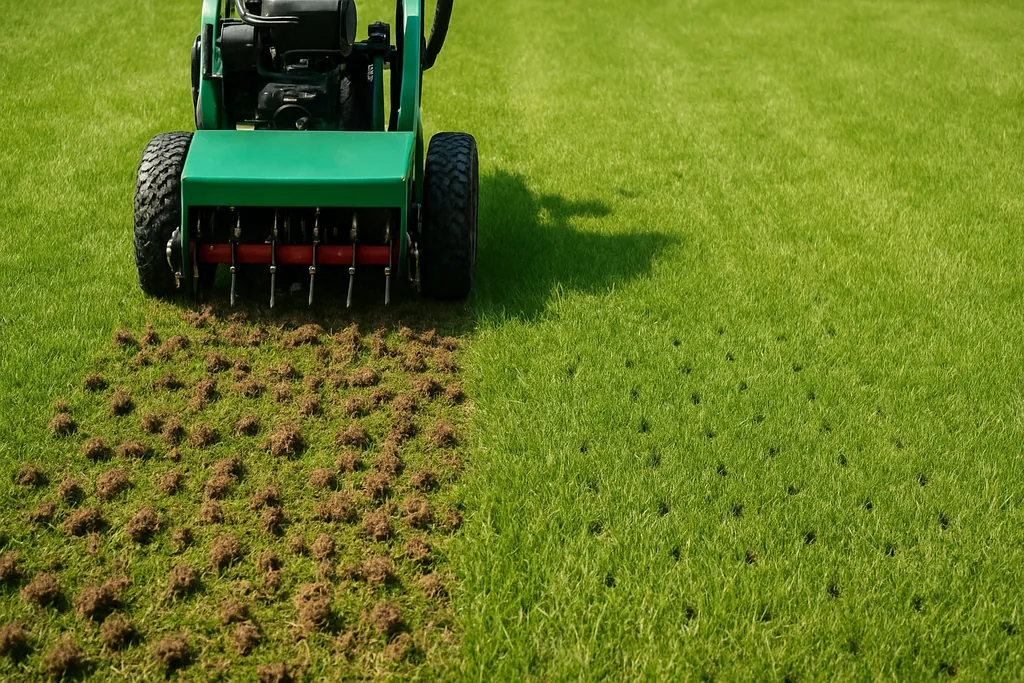
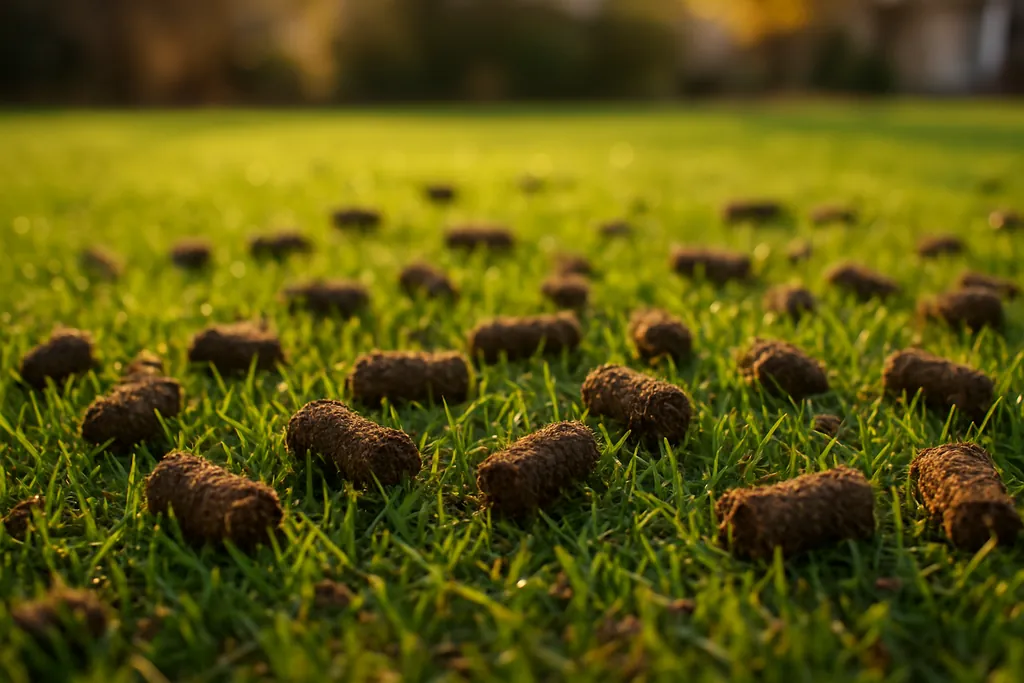
If you plan to aerate and overseed, that happens earlier than the main leaf cleanup, in early fall. So the fall sequence often looks like this: aerate and overseed in early September, do light leaf passes through October, and finish with the main cleanup and final mow in November. Fitting these together in the right order gives your lawn everything it needs before winter without any step working against another. Our guides on when to aerate your lawn and the full fall yard cleanup checklist cover the whole plan.
What happens if you wait too long
Waiting too long is the most common fall cleanup mistake, and it is costly. Leaves left past the window get soaked, mat into the grass, and start the snow mold process. If snow arrives before you clear them, the leaves and debris sit trapped all winter, and you uncover dead patches and a soggy mess in spring. Frozen ground also stops any bed work or last-minute planting. The lesson is simple: do not gamble on a late warm spell. Finish your cleanup with a comfortable margin before the first lasting snow.
A simple fall cleanup timeline for the Quad Cities
If you want a plan to follow, here is a simple timeline for when to do fall cleanup in our area. In early to mid September, aerate and overseed if you are going to. Through October, mulch light leaf drops as you mow and do a first light cleanup pass late in the month. In early to mid November, do the main, thorough cleanup with the final mow, bed cutback, and mulch. Finish everything before the first lasting snow. Adjust by a week or two based on your trees and the weather, but that sequence covers the whole season. Following a timeline like this takes the guesswork out of when to do fall cleanup and keeps you from ever scrambling ahead of an early snow.
Why local timing beats generic advice
You will find plenty of national guides that give a single date for fall cleanup, but our Quad Cities climate does not follow anyone else’s calendar. Some years the leaves hang on through a warm October, and other years an early cold snap drops them all at once. Our first snow can arrive anywhere from late October to well into November. That variability is exactly why watching your own yard beats following a generic rule. Local timing means reading the trees in your yard, the frost dates for our region, and the ten-day forecast, then acting on what you actually see. A local crew does this every year and adjusts the schedule to the season, which is one more reason hiring locally tends to produce better results than a one-size-fits-all approach.
Frequently Asked Questions
Does the first frost change my cleanup timing?
Yes. After a killing frost, annuals die and perennials go dormant, which is your cue to cut back beds. Aim to finish the main cleanup before the ground freezes hard and the first lasting snow arrives.
Can I combine fall cleanup with my final mow?
Absolutely, and it is efficient. Timing the last mow of the season with your leaf removal and bed cleanup lets a crew handle the whole lawn in one visit.
When should I start my fall cleanup?
Start light passes in October as the leaves begin to drop, and plan the main cleanup for early to mid November once most leaves are down. Watch your trees and the forecast rather than a fixed date.
Can I do fall cleanup too early?
Yes. If you clear everything before the leaves have fallen, you will just be back out doing it again. It is better to time the main cleanup for when most of the leaves are down.
What is the latest I should do fall cleanup?
Finish before the first lasting snow and before the ground freezes hard. In the Quad Cities that usually means wrapping up by mid to late November, depending on the year.
Should I do fall cleanup in one visit or several?
A lightly wooded yard may need only one thorough cleanup. A heavily wooded lot does better with two or three lighter passes so leaves never pile up deep and wet.
Want your fall cleanup timed right?
Getting the timing right is half the battle, and we schedule cleanups to hit the window. Wade’s Property Services is locally owned, fully insured, and rated 5.0 stars across 118 Google reviews. See our seasonal cleanup service, our leaf removal service, check coverage on our Bettendorf service area page, or request a free quote below. For seasonal lawn care research, the University of Illinois Extension is a helpful outside resource.